Capturing the Fleeting Moment. The Science of Light and Color.
Main Focus: The Effects of Light, Color, and Atmosphere Technique: Visible, Broken Brushwork and Unmixed Color
Aesthetic: Focus on Subjective Sensory Experience (Impression)
Themes: Landscapes, Cityscapes, and Scenes of Modern Leisure
Overview: What is Impressionism?
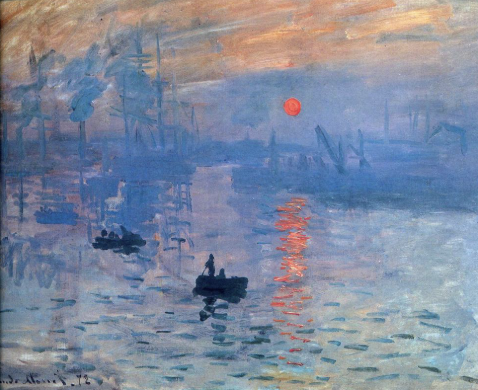
Impressionism emerged in Paris in the 1870s as a radical departure from academic art, focusing on capturing the immediate, momentary ‘impression’ of a scene. Driven by artists like Monet, Renoir, and Degas, the movement shifted the focus from historical subjects and rigid studio work to the fleeting conditions of light, color, and atmosphere in the modern world.
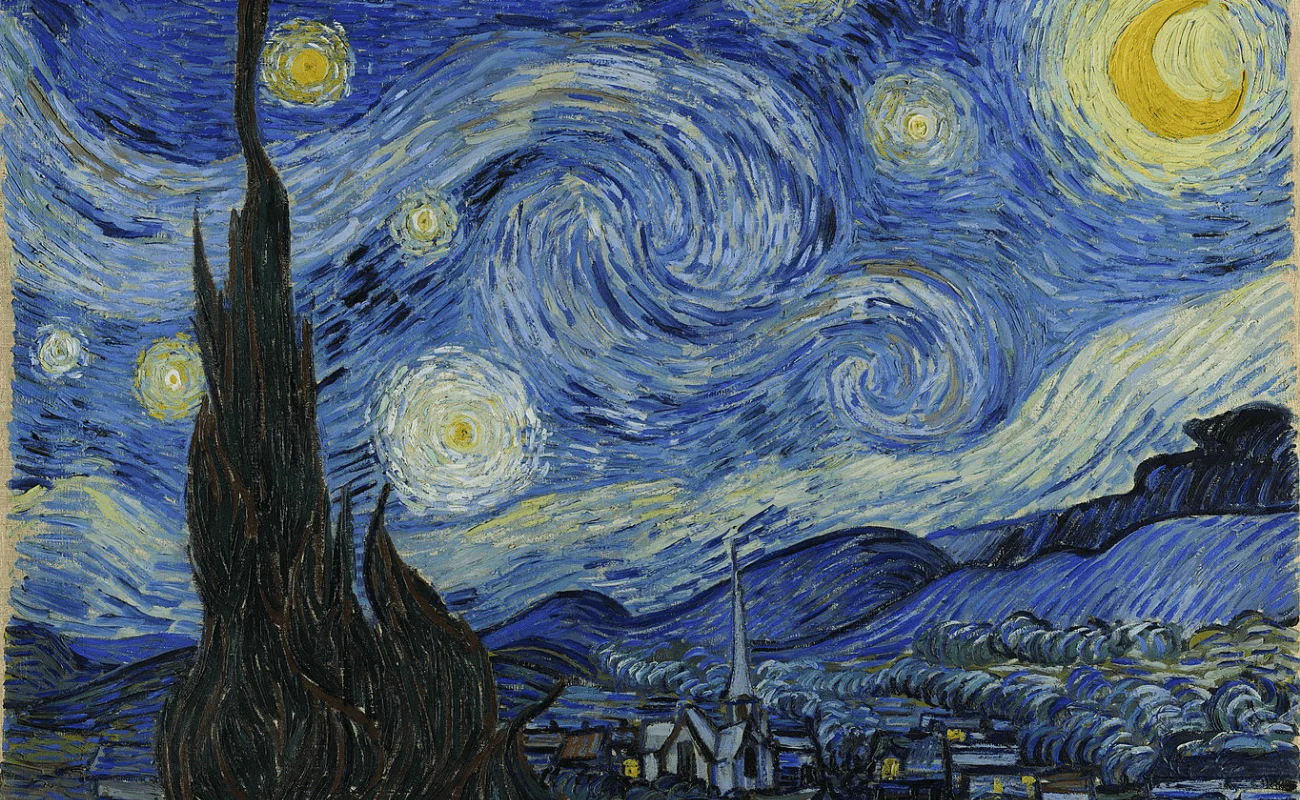
The defining characteristic is the visible brushwork and the use of pure, unmixed color. Impressionists worked primarily en plein air (outdoors), striving to capture the specific effects of daylight and shadow. They used short, thick strokes of paint to convey the essential visual sensation, blurring the lines of form and focusing instead on how the human eye perceives light and reflection. It is an art of subjective, outdoor observation.
Curatorial Note: Masterworks of Light and Atmosphere
This curated collection is a celebration of the luminous beauty and sensory richness of Impressionism. We feature works that vividly showcase the movement’s dedication to capturing atmospheric conditions, highlighting the mastery of color theory and the innovative use of broken brushstrokes to create visual vibration.
Our collection offers an intimate look at the pioneers who changed the face of modern painting. These pieces reflect the optimistic spirit and the shift toward modern, everyday subjects—from Parisian leisure scenes to serene garden views. Acquiring an Impressionist work means owning a piece of art history that captures the transient beauty of light itself.