Overview: What is Neoclassicism?
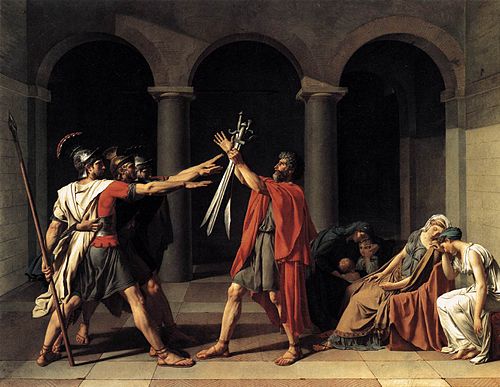
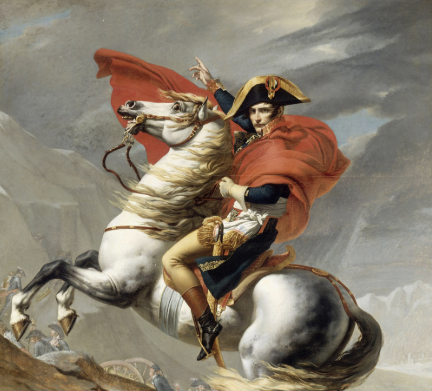
Neoclassicism emerged in the mid-18th century as a severe reaction against the frivolous excess of the Rococo style, coinciding with the Enlightenment and the rediscovery of Roman ruins like Pompeii. It championed the political and moral ideals of ancient Greece and Rome, emphasizing reason, civic virtue, duty, and historical seriousness.
The style is defined by sobriety, clear lines, and balanced composition. Neoclassical works deliberately reject the sensuality and asymmetry of the previous era, adopting formal elements such as straight lines, shallow relief, and a highly controlled palette. Themes typically focus on heroic narratives, historical events, and mythological figures used to convey universal moral lessons. This movement became the visual language of the French Revolution and the early American Republic, symbolizing order and democratic ideals.
Curatorial Note: Clarity and Moral Virtue
This curated collection features key works that embody the intellectual rigor and structural clarity of the Neoclassical period. We focus on pieces that showcase the movement’s dedication to historical accuracy (where possible), formal precision, and the restrained use of color, highlighting the transition back to high-minded, serious subjects.
Our collection is a study in timeless form and high morality. We present masters who used the classical past to comment on the political and ethical present. Acquiring a Neoclassical work means investing in a piece of art that champions order, reason, and the enduring democratic and heroic ideals of the classical world.