Art Rococo

Art Rococo

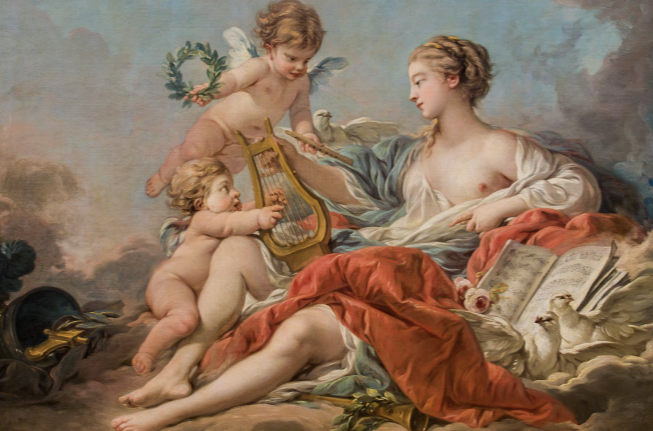
Art Rococo is an exceptionally ornamental and theatrical style of architecture, art, and decoration which combines asymmetry, scrolling curves, gilding, white and pastel colors, to create surprise and the illusion of motion and drama. Emerging in France in the early 18th century (c. 1730โ€“1770), it was a reaction against the grandeur, symmetry, and strict regulations […]
Art Renaissance

Art Renaissance

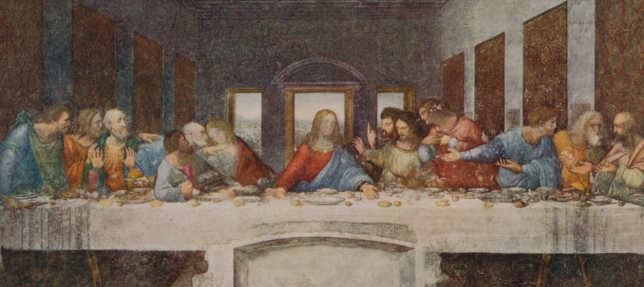
The Art Renaissance (French for “Rebirth”) is arguably the most famous period in art history. Spanning roughly from 1400 to 1600, it marked the transition from the Middle Ages to Modernity. It began in Florence, Italy, and was driven by a massive shift in philosophy called Humanism. After centuries of art focusing solely on the […]

Art Realism

Art Realism

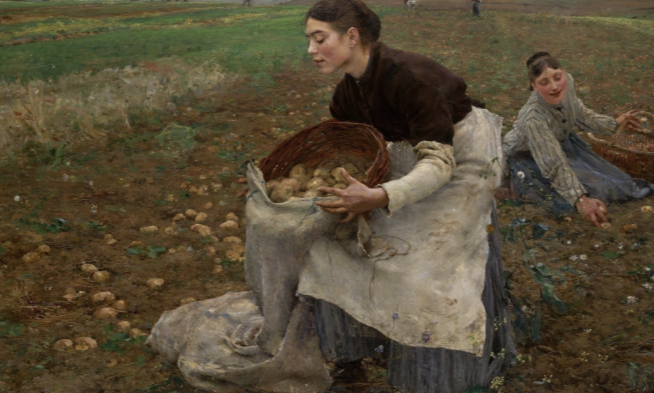
Art Realism is an artistic movement that emerged in France in the 1840s, shortly after the 1848 Revolution. It is often called the beginning of modern art. Its philosophy can be summed up by the famous quote from its leader, Gustave Courbet: “Show me an angel, and I will paint one.” Until this point, art […]

Art Post-Impressionism

Art Post-Impressionism

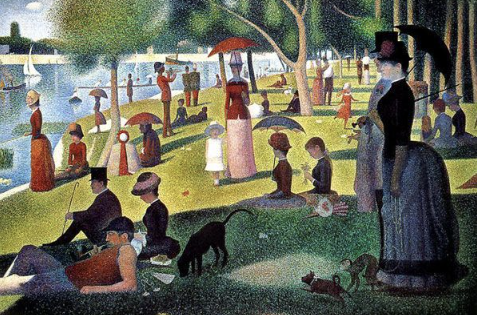
Art Post-Impressionism is not a single style, but rather a collection of individual artistic directions that emerged in France between 1886 and 1905. The term literally means “After Impressionism.” It was coined by art critic Roger Fry in 1910 to describe a group of artists who grew out of Impressionism but eventually rejected its limitations. […]

Art | Pop Art

Art | Pop Art

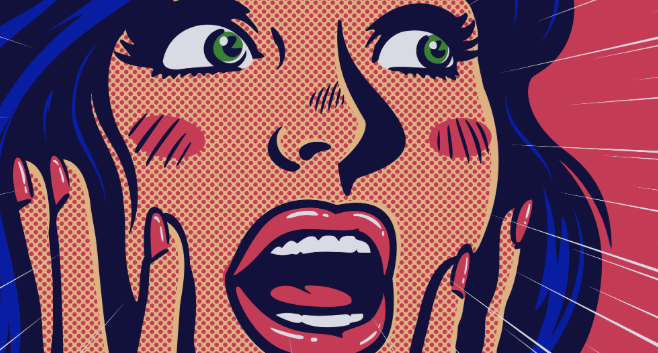
Art | Pop Art is the movement that arguably defined the modern world. Emerging in the mid-1950s in Britain and exploding in the late 1950s and 1960s in the United States, it challenged the very definition of “Fine Art.” Pop Art erased the line between “High Art” (museums, classical history, religion) and “Low Culture” (comic […]

Art | Op Art

Art | Op Art

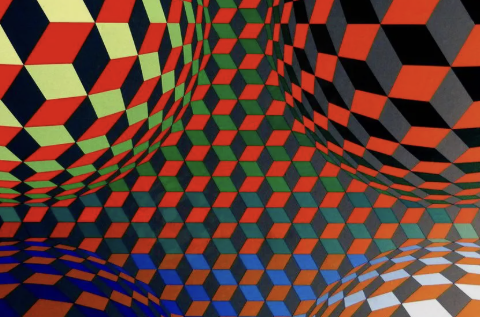
Art | Op Art short for Optical Art is a style of abstract art that uses precise geometric patterns and colors to create optical illusions. Emerging in the 1960s, Op Art exploits the functional relationship between the eye and the brain. It is designed to trick the viewer into seeing movement, hidden images, flashing, or […]

Art Neoclassicism

Art Neoclassicism

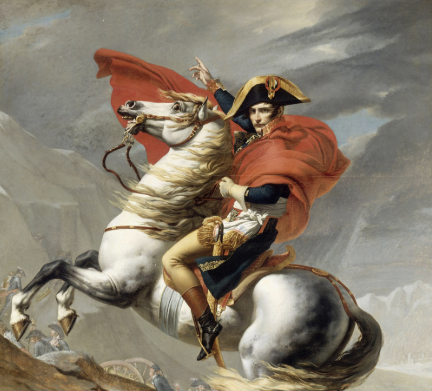
Art Neoclassicism (meaning “New Classicism”) was the dominant artistic movement in Europe from the mid-18th century until the early 19th century (roughly 1760โ€“1840). It was a movement of order, reason, and morality. While the previous styles (Baroque and Rococo) were emotional, dramatic, and decorative, Neoclassicism was cold, logical, and serious. It sought to revive the […]

Art Minimalism

Art Minimalism

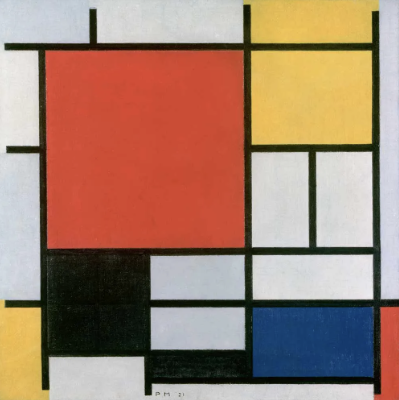
Art Minimalism (often called “Minimal Art” or “ABC Art”) is an extreme form of abstract art that emerged in New York in the early 1960s. If Abstract Expressionism was about the artist screaming their emotions onto a canvas, Minimalism was the artist shutting up and presenting a silent, perfect object. It is characterized by extreme […]

Art | Land Art

Art | Land Art

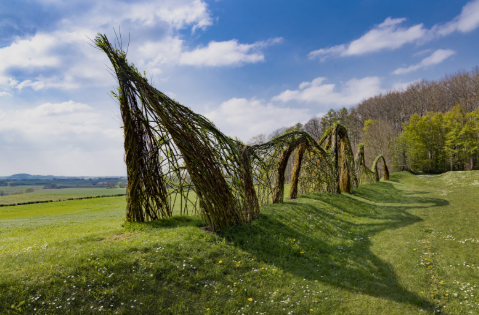
Art | Land Art (also known as Earth Art or Earthworks) is an art movement that emerged in the late 1960s and early 1970s, largely in the United States and Great Britain. It represents a radical break from the “studio system.” Instead of painting a landscape on a canvas and hanging it in a gallery, […]

Art Impressionism

Art Impressionism

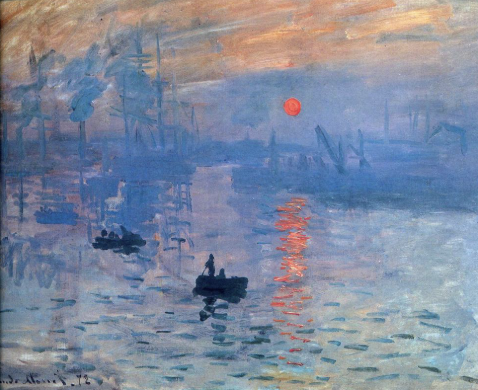
Art Impressionism is perhaps the most famous and beloved art movement in history, but when it began in Paris in the 1860s and 1870s, it was despised. It was a radical rebellion against the established art world. Impressionism is not about painting an object (like a tree or a person) exactly as it is structurally. […]