Overview: What Defines Digital Art?
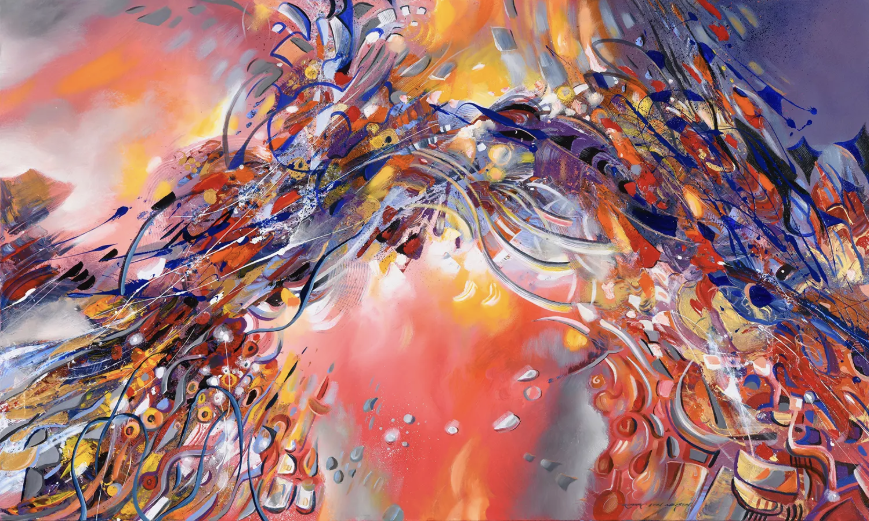
Digital Art is a wide-ranging artistic practice that uses digital technology as an essential part of the creative and/or presentation process. This category includes painting, illustration, 3D modeling, algorithmic art, photography manipulated digitally, and video art. Born from the convergence of computing power and artistic vision in the latter half of the 20th century, Digital Art continues to rapidly evolve with every technological advancement.
The style is defined by versatility and innovation. Artists exploit the unique properties of digital tools—such as layers, non-destructive editing, generative code, and instant reproduction—to push boundaries that are impossible with traditional media. Digital artworks exist on screens, prints, and increasingly as unique NFTs (Non-Fungible Tokens), challenging traditional concepts of originality, distribution, and ownership in the art world.
Curatorial Note: The Intersection of Code and Creativity
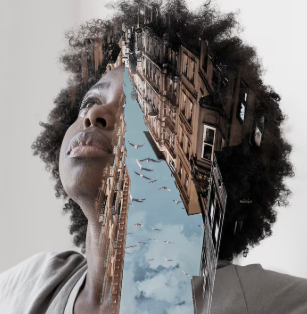
This curated collection is a dynamic showcase of the forefront of contemporary art, highlighting the diverse applications of digital tools. We feature works that exemplify mastery over digital techniques, showcasing the intricate detail of hyper-realistic digital painting, the complex structures of generative art, and the conceptual power of digital collage.
Our collection is a study in boundless creation. We present masters who use software and hardware as their primary instruments, creating images and experiences defined by light, code, and computational power. Acquiring a piece of Digital Art means investing in the aesthetic language of the future, where the only limit is the artist’s imagination.